Write Work: A Versatile Display Font for Creative Projects
Write Work is a display font that combines charm and functionality, making it an appealing choice for various creative applications. Its cute and colorful design adds personality to text, whether used in digital or print formats. This article explores what Write Work is, its potential uses, and considerations when choosing it for your projects.
Understanding Write Work
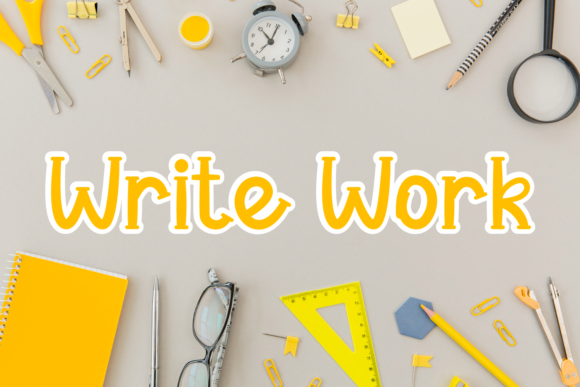
Write Work is designed with a playful yet readable style, featuring rounded edges and a friendly aesthetic. It’s categorized as a display font, which means it is best suited for headlines, logos, and other prominent text elements rather than long blocks of body copy. The font's color variations and unique letterforms make it stand out in visual compositions.
The font’s name suggests a focus on writing and creativity, aligning well with projects that emphasize personal expression and artistic flair. Its versatility allows it to be used across multiple platforms, including social media, graphic design, and even calligraphy-inspired DIY projects.
Reasons to Consider Write Work
There are several reasons why someone might choose Write Work for their project:
- Visual Appeal: The font’s cute and colorful appearance can enhance the visual impact of any design, making it ideal for branding, marketing materials, or social media posts.
- Readability in Display Contexts: While not suitable for large amounts of text, Write Work maintains enough legibility for use in headlines, titles, and short phrases.
- Compatibility with Digital Platforms: It works well on websites, Instagram, and other social media channels where attention-grabbing typography is essential.
- Creative Flexibility: The font can be adapted for both modern and traditional aesthetics, making it a good fit for a wide range of creative endeavors.
Benefits and Tradeoffs
One of the main benefits of using Write Work is its ability to add character and emotion to text. It can evoke a sense of fun, nostalgia, or whimsy depending on the context. This makes it particularly useful for brands targeting younger audiences or those with a more casual tone.
However, there are tradeoffs to consider. Since it is a display font, it may not be appropriate for extended reading. Additionally, the font’s stylized nature could be distracting if overused or applied in contexts where simplicity is preferred.
Another consideration is the availability of the font. While it may be accessible through font marketplaces or design tools, users should ensure they have the proper licensing for commercial use, especially if the project involves public distribution or monetization.
Situations Where Write Work Fits Well
Write Work is a strong fit for several types of projects:
- Social Media Content: For Instagram posts, stories, or promotional graphics, the font can help create eye-catching visuals that align with the platform’s visual culture.
- DIY Crafts and Calligraphy: Its hand-drawn qualities make it suitable for custom invitations, scrapbooking, or handmade cards where a personal touch is desired.
- Branding and Logo Design: If the brand aims to convey a friendly, approachable image, Write Work can contribute to a cohesive and memorable visual identity.
- Children’s Products and Materials: The font’s playful nature is well-suited for educational materials, toys, or children’s books where engaging visuals are important.
When Alternatives May Be Better
While Write Work has its strengths, there are situations where alternative fonts may be more appropriate:
- Professional Documents: In formal reports, business letters, or academic papers, a more traditional serif or sans-serif font would be better suited for readability and professionalism.
- Long-Form Text: If the project requires extensive body copy, such as articles or e-books, a font optimized for readability at smaller sizes would be preferable.
- Minimalist Designs: For projects that emphasize clean lines and simplicity, overly decorative fonts like Write Work might clash with the intended aesthetic.
In these cases, evaluating the purpose of the text and the overall design goals will help determine whether Write Work is the right choice.
Practical Decision-Making Insights
To decide whether Write Work aligns with your needs, ask yourself the following questions:
- Is the primary goal to grab attention or convey information?
- Will the font be used for short, impactful text or long passages?
- Does the font’s style match the tone and message of the project?
- Are there any licensing or accessibility concerns?
By considering these factors, you can make a more informed decision about whether Write Work is the right font for your specific needs. It’s always helpful to test the font in different contexts before finalizing your design choices.