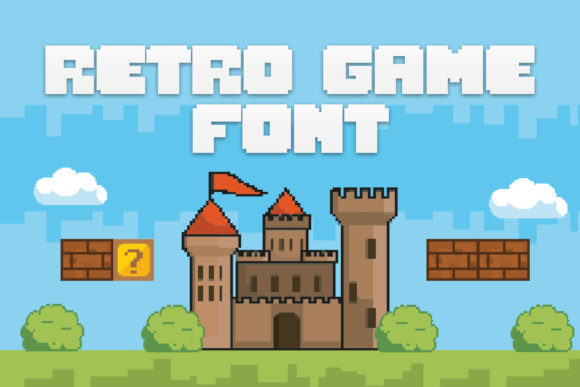
Retro Game: A Bold and Chunky Lettered Display Font for Creative Projects
Retro Game is more than just a font—it’s a nostalgic revival of classic video game aesthetics, reimagined for modern design. This bold and chunky lettered display font captures the essence of pixelated gaming from the 80s and 90s, making it an ideal choice for creative professionals looking to infuse their projects with a retro flair. Whether you're designing a website, crafting marketing materials, or creating digital art, Retro Game can help your content stand out in a visually saturated world.
Understanding Retro Game and Its Unique Characteristics
Retro Game is a display font that mimics the blocky, pixelated style of early video game titles. Its thick strokes and angular shapes evoke the look of old-school arcade games, instantly transporting viewers back to the golden era of gaming. Unlike standard sans-serif or serif fonts, Retro Game adds a layer of character and personality that can elevate any design project.
This font is particularly well-suited for headlines, logos, and promotional graphics where impact and memorability are key. Its high contrast and distinct letterforms make it easy to read even at smaller sizes, while its vintage feel ensures it stands out against modern, minimalist designs.
Challenges and Goals When Using Retro Game
While Retro Game offers a unique visual appeal, there are challenges to consider when using it in design projects. One common issue is legibility. Because of its chunky and stylized appearance, some letters may be harder to read in certain contexts, especially when used for body text. It's important to use this font strategically, primarily for headings or short phrases rather than long paragraphs.
Another consideration is ensuring that Retro Game complements the overall design theme. While it works well with retro-themed projects, pairing it with modern elements might create a jarring visual effect. Designers should experiment with color schemes, spacing, and typography pairings to find the right balance.
For users seeking to incorporate Retro Game into their work, the goal is often to add a sense of nostalgia or fun without compromising professionalism. Whether it's for a branding campaign, event poster, or web banner, the font needs to serve a clear purpose and enhance the message being conveyed.
How Retro Game Can Help Address These Challenges
Retro Game can be a powerful tool for addressing the need for visual differentiation in today's competitive market. By using this font, designers can create a strong first impression and capture attention in a way that traditional fonts may not. For instance, if you're launching a new product line inspired by retro gaming culture, Retro Game can reinforce that theme and resonate with your target audience.
Additionally, the font's bold nature makes it excellent for call-to-action buttons, banners, and social media posts where visibility is crucial. Its ability to convey energy and excitement aligns well with campaigns focused on entertainment, nostalgia, or community engagement.
To ensure effective use, it's recommended to pair Retro Game with complementary fonts for body text. A clean, modern sans-serif font like Helvetica or Arial can provide a nice contrast, allowing the Retro Game headline to shine without overwhelming the reader.
Practical Applications and Outcomes
Retro Game has found practical applications across various industries. In the gaming sector, it's often used for title screens, merchandise, and promotional materials. In marketing, it's popular for themed campaigns targeting Gen X and Gen Y audiences who have a deep connection to classic games.
For example, a local arcade might use Retro Game for signage and posters to attract gamers and create a cohesive brand identity. Similarly, a tech startup could leverage the font in their branding to highlight innovation rooted in the past.
Designers working on event invitations, festival posters, or even packaging for retro-inspired products can benefit from the font's versatility. It's also a favorite among illustrators and artists who want to blend digital and analog aesthetics in their work.
Examples and Recommendations
If you're considering using Retro Game in your next project, start by identifying the context and purpose. For instance:
- Headlines: Use Retro Game for main titles or subheadings to grab attention immediately.
- Logos: Incorporate it into logos for brands that want to evoke a sense of nostalgia or playfulness.
- Social Media: Apply it to captions, hashtags, or cover images to stand out in feeds.
- Merchandise: Print it on t-shirts, mugs, or stickers for a fun and eye-catching design.
When selecting colors, opt for high-contrast combinations such as black on white or bright neon tones to emphasize the font's retro vibe. Avoid overly complex backgrounds that may interfere with readability.
It's also worth noting that while Retro Game is available in multiple weights and styles, the most impactful results come from using the bold variant. This ensures maximum visibility and maintains the font's signature aesthetic.
Different Approaches Based on User Needs
Depending on the user's goals, the approach to using Retro Game can vary significantly. A graphic designer aiming to create a retro-themed poster might focus on full-color illustrations and intricate layouts, while a web developer may prioritize responsiveness and load times when implementing the font on a site.
For those working in print, ensuring the font renders clearly at different sizes and resolutions is essential. Digital users, on the other hand, should test how the font looks on various screen types and devices to maintain consistency across platforms.
Ultimately, the key is to align the use of Retro Game with the project's core message and audience expectations. Whether you're aiming for a playful tone or a serious yet nostalgic feel, the font can be tailored to fit your needs with the right design choices.
Incorporating Retro Game into your creative toolkit can bring fresh perspectives and opportunities to your work. By understanding its strengths and limitations, you can use it effectively to enhance your designs and connect with your audience in meaningful ways.